
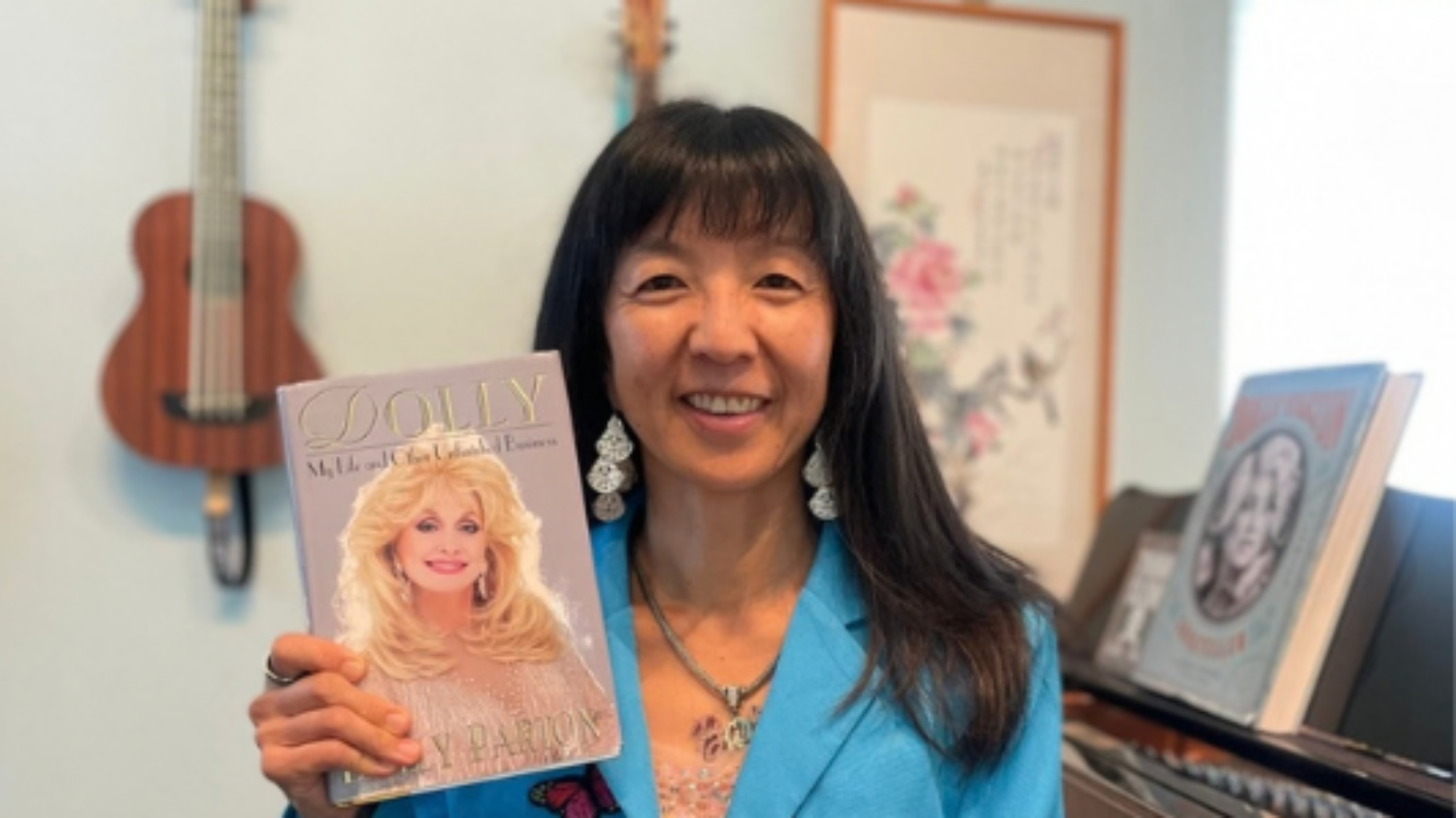
Dolly Parton grew up poor, one of 12 children in a 2-room house. Yet her childhood offers many examples of how to raise a musical child while staying connected to them.
To celebrate her life, I gave a talk on what parents and music teachers can learn from her story. Here’s the video:
I found 9 practices in Dolly’s story. But we don’t have much time, so I cut them from 9 to 5 😄.
1. Bathe your child in music
Dolly was saturated in music, her mom being the main source of musical input. “My mom was always singing to us,” said Dolly. “Mama was like our television.”
2. Find an excellent teacher
Dolly’s uncle Bill Owens taught her to play the guitar and how to write songs. He spent countless hours trying to get her gigs and record deals. “He was a great visionary and really thought I had potential,” remembers Dolly.
3. Encourage practice
Once Dolly’s chores were done, she was off making music. Her parents supported this, as did her siblings, who are also quite musical.
4. Know when to turn it off
When Dolly was 10, she appeared on the Cas Walker television show. Her family didn’t own a TV, so they eventually got one. Suddenly, relatives and friends were crowding into the house to watch her, often until late at night. Her parents needed sleep to function the next day. After a while, they got rid of the television. They chose their family’s rhythm over the thrill of having a famous kid on TV.
5. Love with what you have
Dolly’s mom cared for her 12 children with very few resources. Before dinner, she would send the kids outside to find a rock. She’d look at each one and tell the child what she admired about it. Then she would choose the rock of the child who needed love the most that day, clean it off, and put it in the soup. She knew how to make each of her children feel special.
Start with one
Like Dolly’s coat of many colors, I have given you a variety of practices you can apply to inspiring kids to make music. Don’t worry about doing everything. Just choose one and begin there. Eventually, you’ll find your family’s rhythm. And someday your child may look back on those ordinary days and see them shine like rhinestones.
For parents: Pick the practice that feels most doable this week and try it at home.
For music teachers: These practices work in the studio too. Share them with the families you teach.
If this was helpful, please share it with a parent or teacher who would enjoy it.


